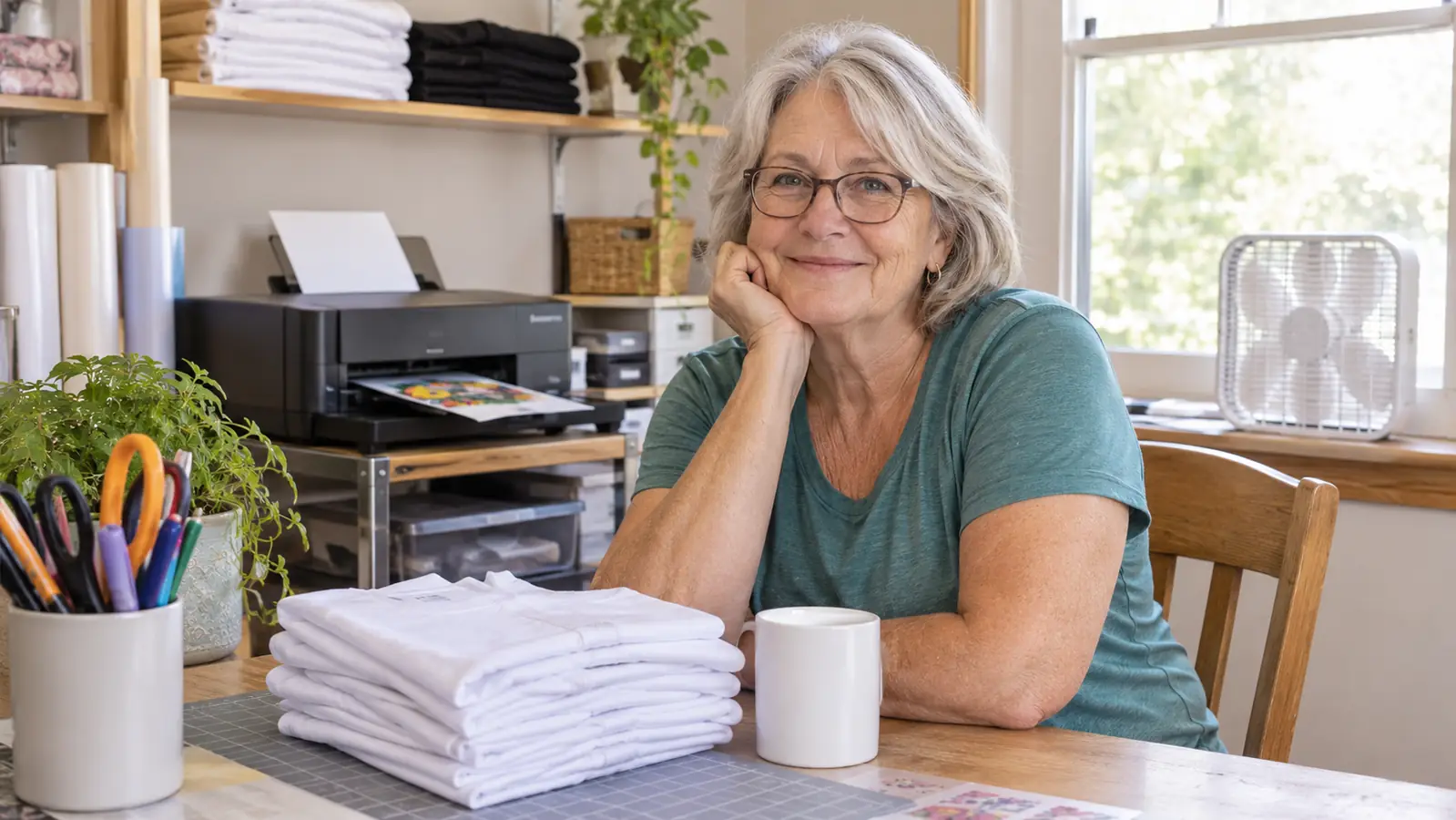
The first time I ran a sheet through my sublimation printer, I thought paper was paper. I had waited years to try sublimation, then finally bought an Epson SureColor F170 in September 2025. The printer sat on a small cart beside the six-foot table my husband Ray built in our spare bedroom. I used the sample sheets, then a pack of no-name clearance paper from a craft store. A few tumblers came out ghosted. One shirt had a faint seam line I could not explain. In October 2025 I ordered A-SUB sublimation paper, 8.5 by 11 inches, 110 sheets, 125g, and I have reordered it several times since. The difference was not subtle.
I am not a print shop. I am Carla Pruitt, 61, retired after 28 years running a school cafeteria. I started with a household iron and iron-on vinyl in January 2025 for Mason's team shirts, and the letters peeled after a few washes. That is how I ended up buying real equipment. Now I press shirts and tumblers for my grandkids Mason and Lily, for friends, for our church fall festival and for two or three local craft fairs a year. Good paper is not the flashy part of this hobby. It is the part that decides whether the flashy part works. These are the ten reasons I stopped treating paper as an afterthought.
The Paper That Ended My Ghosting Streak
A-SUB sublimation paper, 8.5 by 11 inches, 110 sheets, 125g. It is made for sublimation ink, not regular ink, and it is the sheet I reach for first on shirts, totes and tumbler wraps.
Amazon See the A-SUB Paper on Amazon →It Stops the Ghosting Before It Starts
Ghosting is the shadow that shows up when a transfer shifts or releases unevenly, and my early tumblers had it bad. I would wrap a tumbler, press it, and pull back a design with a faint double edge. The no-name paper was the first thing I changed. With A-SUB, the coated sheet released evenly enough that I stopped bracing for a shadow every time. I still tape my wraps and check the seam. The paper just stopped adding its own problems. If you have been blaming your press for every double edge, test the paper before you replace the machine.
The 125g Sheet Feeds Without Fights
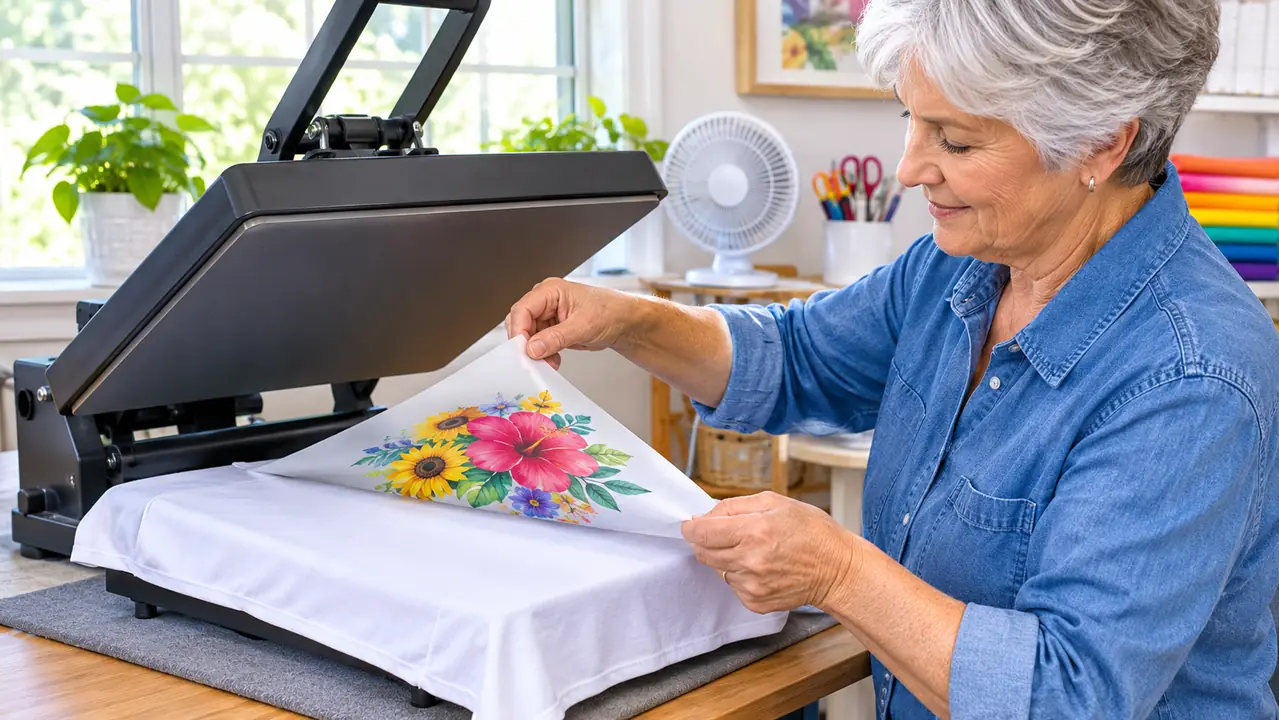
The 125g sheet has enough body to feed through my F170 without curling into a jam. That matters more than it sounds. A curled corner can catch, smear, or send the sheet through crooked, and then I am standing there with a wasted print and a hot press waiting. I keep the sheets flat in the pack and load one at a time. The 8.5 by 11 size fits my everyday designs, the shirt fronts, the tumbler wraps I trim down, and the small test prints I run before a batch.
110 Sheets Means Fewer Reorders
One pack holds 110 sheets. That is enough for a run of shirts, a set of tumblers and the test prints I do before both, without me digging for a reorder in the middle of a Saturday. I do not keep a print shop schedule. I press when a friend asks, when the church festival gets close, or when Mason needs a new shirt for a game. Having a full pack on the shelf means I can say yes without a trip to town. It also means I am not tempted to stretch a bad sheet just to finish a project.
It Works on the Blanks I Actually Press
A-SUB is made for sublimation ink only. Regular ink does not work, and I have seen what happens when someone tries it. The listing says white or light colored high quality polyester, material with cotton content 30% or less, and premium ceramic, tile, phone cases and metal. I check the blend on every shirt before I print. If the cotton is too high, the design looks washed out after a wash. I would rather check the tag than ruin a blank. For ceramics and metal, I follow the blank maker's time and temperature and do a small test first.
The Coating Releases Cleanly on Tumbler Wraps
Tumbler wraps are where my no-name paper showed seams and blotches. I started sublimating 20 oz skinny tumblers in my kitchen oven with shrink wrap in November and December 2025, and several came out ghosted. In January 2026 I bought an HTVRONT Auto Tumbler Heat Press, and the press helped, but paper still mattered. The A-SUB sheet released cleanly on the wraps I taped well. I open the window and run the box fan while the press is hot, and I keep Pepper, our cat, out of the craft room. Heat safety is not optional in a spare bedroom.
It Makes Test Presses Worth Doing
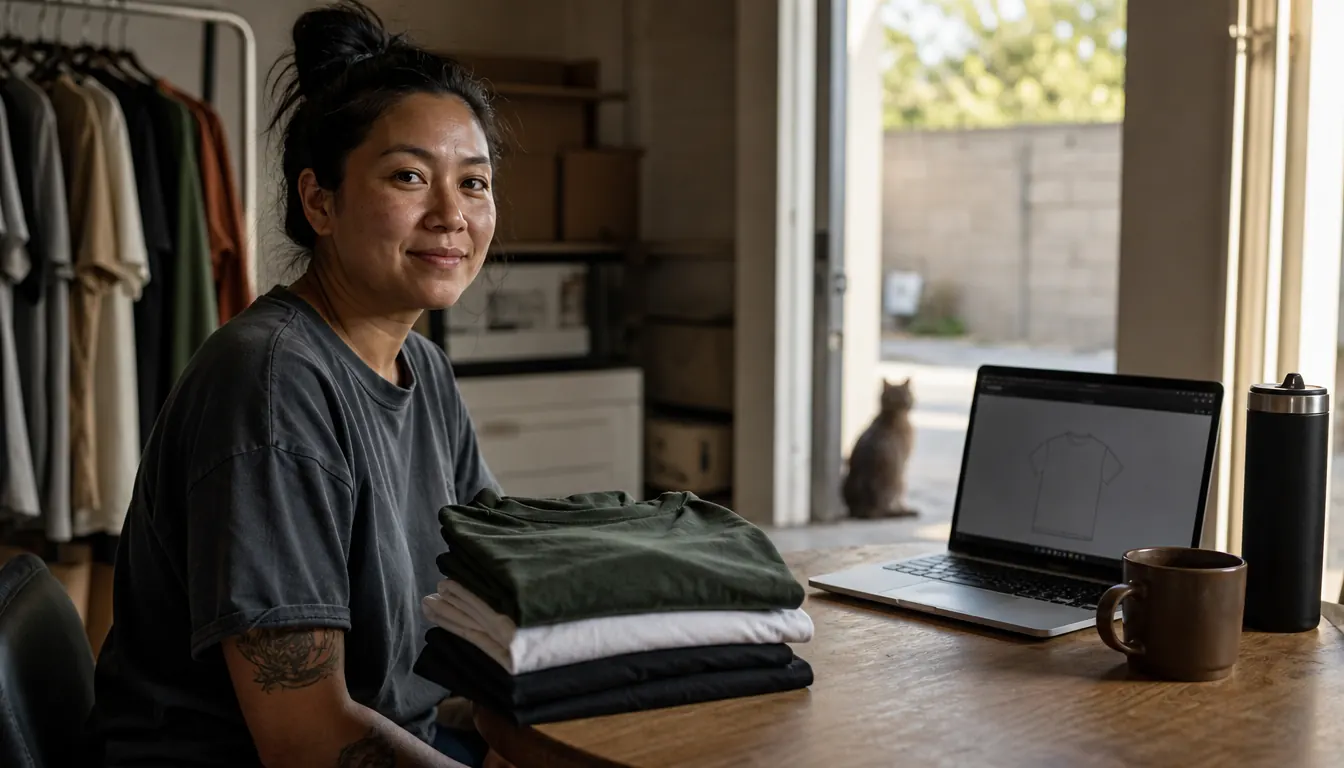
I used to skip test presses because I did not want to waste a sheet. That was backwards. A test print on the same A-SUB sheet tells me whether my colors are right before I commit a shirt or a tumbler. I print a small strip with the main colors and a line of small text. If the strip looks good, I press the real blank. If it does not, I change one thing, usually time or pressure, and try again. The paper being consistent makes the test mean something.
Small Text Holds Its Edges
Fine lines and small text are where cheap paper shows off. Mason's team shirts have names and numbers, and I do not want the letters to muddy together. On the A-SUB sheets, the small text held its edges on the polyester shirts I use. I still keep my fonts simple and avoid hairline strokes that are too thin for the size, because no paper can fix a design that was never going to transfer well. But the paper stopped being the weak link. When I zoom in on a finished shirt, I want to see letters, not a blur.
It Cuts Down on Wasted Blanks
The real cost of bad paper is not the paper. It is the blank shirt or tumbler that goes in the trash with a faint design on it. My no-name pack cost me a few blanks before I switched. Since October 2025, the A-SUB pack has been consistent enough that I trust it for a batch. I still check every sheet for a bent corner. I still keep my blanks clean and lint free. But I am not gambling on a transfer every time I load the printer.
It Keeps My Settings Repeatable
When I find a time and temperature that works, I want to repeat it. Different paper can change how the ink sits and how the transfer releases, and then my notes stop helping. With A-SUB, I can write down the settings for a blank and come back a month later with a reasonable chance they still work. I start with the blank maker's recommendation, then adjust based on my test strip. I do not claim my numbers will work on your press. I only claim that keeping the paper the same removes one variable.
It Is One Less Thing to Worry About
My craft room is a spare bedroom, not a ventilated shop. I open the window, run a small box fan, and keep the door shut so Pepper stays out while the press is hot. I never leave the press on and walk away. I keep the A-SUB pack flat in a drawer so the sheets do not curl, and I load one sheet at a time. These are small habits. Together they are why I can press for an afternoon and still feel like the room is under control. The paper is part of that routine.
What I'd Skip
I would skip any paper that does not say it is for sublimation ink. I would skip a no-name clearance pack if the first test bleeds or ghosts. I would skip pressing a tumbler without checking the blank maker's time and temperature. I would skip a test print and then wonder why a batch went wrong. And I would skip leaving the press unattended, especially with kids or pets in the house. None of that is about brand loyalty. It is about not wasting blanks and not taking chances with heat.
The no-name pack gave me ghosted tumblers and a wasted shirt. The A-SUB sheets have not done that to me since October 2025, and that is the whole reason I keep reordering.
One Less Variable at the Craft Table
If you are tired of guessing whether a bad transfer came from your press, your blank or your paper, start with a sheet that is built for sublimation ink. A-SUB, 8.5 by 11 inches, 110 sheets, 125g.
Amazon See the A-SUB Paper on Amazon →