The paper is the part of sublimation nobody warns you about. I spent weeks deciding on a printer and a heat press, and then I grabbed a pack of sheets without a second thought. Half my first tumblers came out looking like a photocopy of a photocopy, and I blamed the press, the blanks, the oven, the weather, everything except the paper. It took a wasted pack of blanks and one patient friend from church to point out that the sheet going into the printer matters as much as anything else in the room.
I'm Carla Pruitt, 61, in Visalia, California. I retired after 28 years as a school cafeteria manager and started heat pressing in January 2025 with a household iron and iron-on vinyl I cut with scissors for my grandson Mason's Little League shirts. The letters peeled after a few washes and my hands ached, so I bought real equipment and learned the rest the slow way. In October 2025 I added A-SUB sublimation paper, 8.5x11, 110 sheets, to go with my Epson SureColor F170. Thirteen months and several reorders later, I have run mugs, 20 oz skinny tumblers, polyester shirts, tote bags and one pillow cover through it. This is the honest version, including the parts I got wrong.
The Quick Verdict
A steady everyday sheet that transfers clean on light polyester, ceramic and coated metal, as long as you keep it flat and dry and stay off 100% cotton.
Amazon Check Today's Price →The Pack I Reorder Without Thinking About It Anymore
8.5x11, 110 sheets, coated for sublimation ink only. It has carried a year of ball team shirts, church festival mugs and tumbler wraps without a single feed I could blame on the paper.
Amazon Check Today's Price on Amazon →How I've Used It
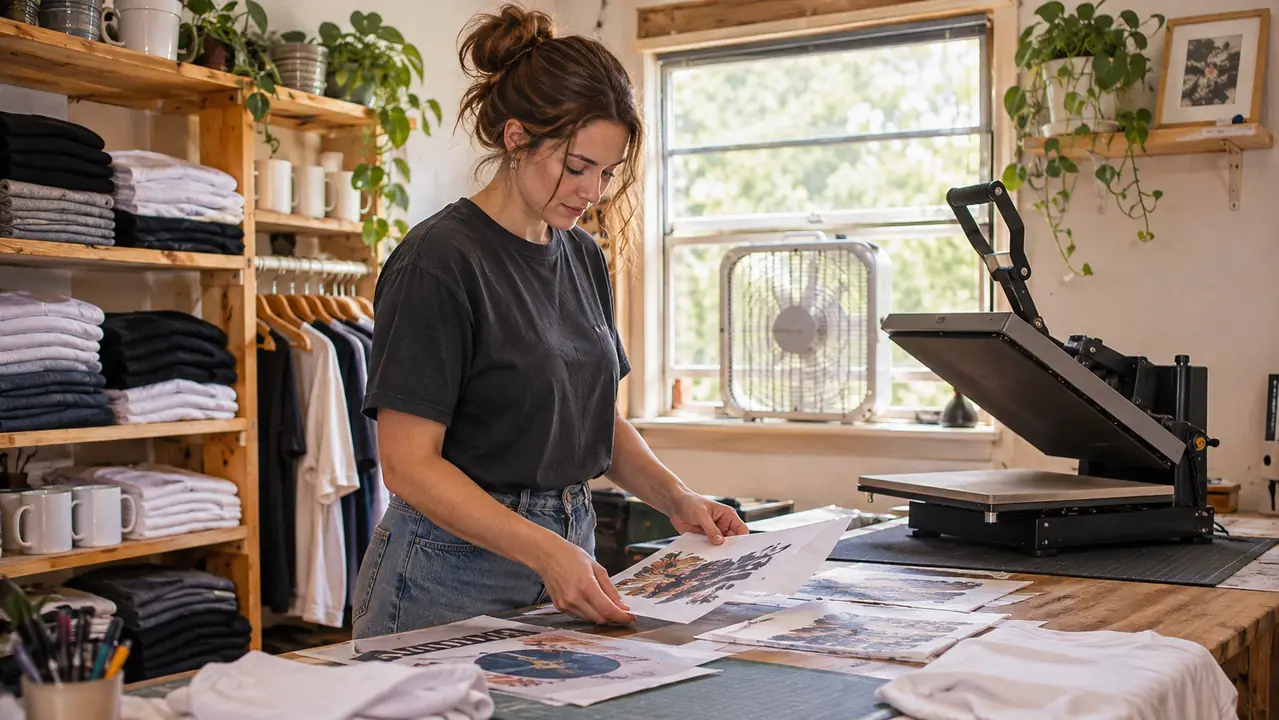
Everything happens in the spare bedroom. Ray built me a six-foot table, the press sits on a heat-resistant mat at one end, the printer is on a small cart beside it, and I keep the window open with a small box fan running for ventilation. Two rules in this house. Pepper the cat stays out of the craft room while the press is hot, and I never leave the press on and walk away. Mason and Lily know the door stays shut when the machine is on, and nobody under eighteen touches the platen. That is the whole safety talk, and it is not negotiable.
The A-SUB sheets get used for anything that goes through the printer: shirt fronts, tote bag panels, tumbler wraps I cut down from a full sheet, mug panels, and the occasional phone case for a niece. I print onto the coated side, and I check which side that is before every run because I got it backwards once early on and ended up with a very faint ghost of an image and one wasted blank. It is a two-second habit now.
My settings are boring on purpose. I use the printer's own sublimation setup and the blank maker's recommended time and temperature, then I press one test piece before I commit a whole batch. When I first got the printer in September 2025, I used the sample sheets and a pack of no-name clearance paper from a craft store. That clearance paper bled at the edges and I lost a few blanks to it. The A-SUB pack went in the next month and the bleeding stopped. That is the least dramatic and most useful thing I can tell you about it.
My first real run on A-SUB was a Saturday in October 2025, four mug panels and two shirt fronts for a friend's birthday. I laid the sheets out on the table the night before so I could look them over, which sounds silly, but it let me catch two with bent corners before they ever went near the printer. I still do that. Anything with a dog-eared edge goes in a scrap stack for test prints instead of a good blank. That one habit has saved me more blanks than any press setting I have ever changed, and it costs me about a minute.
I also do not treat it like a supply I can leave sitting out. The open pack lives in a zip bag with the air pressed out, flat on a shelf, because paper that sits out in a dry Central Valley summer starts to curl at the corners and feeds crooked. Keeping it flat and dry has done more for my success rate than any change I ever made to my press settings.
What 110 Sheets Actually Gets You
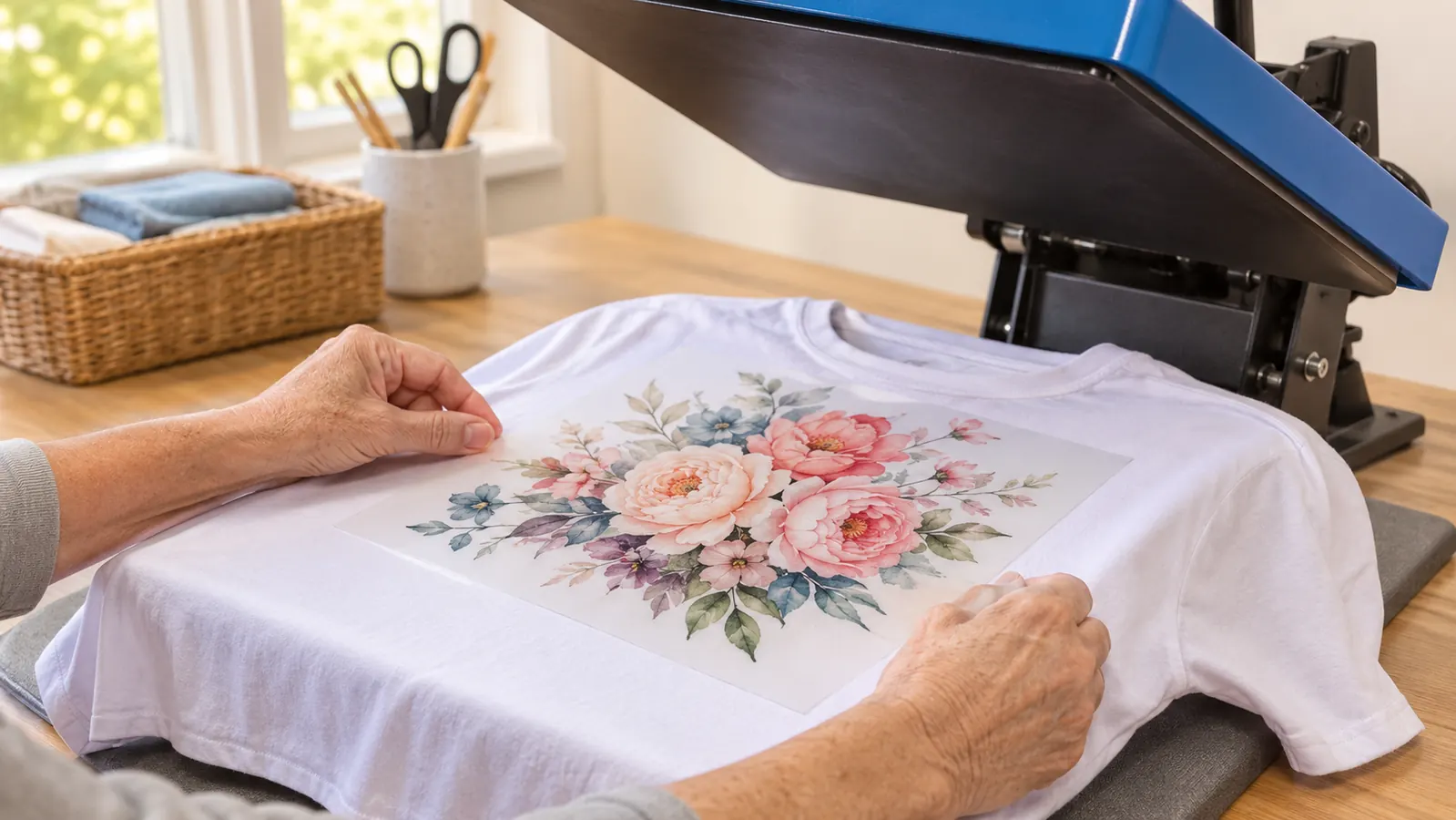
The pack is 110 sheets at 8.5x11 inches, listed with a 120 paper weight, a 125 g item weight and a coated finish. In practical terms, one full sheet covers an adult shirt front with room to spare, so a team of twelve kids eats twelve sheets plus two or three tests. A 20 oz skinny tumbler wrap takes one sheet cut into a wrap, and I usually get a mug panel and a small extra out of the offcut for a kid's cup.
The weight is what I notice most. Lighter sheets curl and feed crooked in my printer, and I have fished crumpled paper out of the rollers more than once. This one stays flat in the tray and feeds a sheet at a time without fuss, which matters on a Saturday morning when twelve shirt fronts depend on the paper going in straight. A pack lasted me about four months of steady weekend work, pressing for family, for the church fall festival and for two craft fairs.
I count sheets now, which I did not do at the start. When a pack comes in I write the month on the wrapper with a marker, and when I open a fresh one I set aside six sheets as test sheets so I am not slicing into a good one for a pressure check. On a twelve shirt order I plan for fourteen: twelve fronts, one test, and one for whichever kid wants his name on the back too. Tumbler wraps are the stingier cut. A 20 oz wrap runs most of the length of one sheet, so I measure twice and cut once, and the offcut goes in a shoebox for mug panels and small ornaments. Nothing gets thrown out until it is too small to hold an image.
Where It Transferred Cleanly
The listing says white or light colored high quality polyester, material with a cotton content of 30% or less, ceramic and tile, phone cases and metal. That lines up with what I saw. Polyester shirts came out with strong color and clean edges, and my best results were on white and light gray poly blends. Ceramic mugs took the transfer evenly, including around the curve of the handle when I taped the paper down snug. Coated metal blanks, like the phone case and a couple of ornaments, worked fine.
The 30% cotton ceiling is real and it is not a suggestion. I tried a 50/50 shirt once to see what would happen. What happened was a washed out, faded looking print I would not hand to anybody, and I quietly turned it into a shop rag. Dark shirts do not work either, because the ink needs a light base to show against. If you want black shirts, that is vinyl or DTF through my Cricut, not sublimation. I keep a stack of light polyester blanks and I stay in my lane.
The Mistakes I Made So You Don't Have To
First mistake was the clearance paper, already covered. Second was pressing a shirt with the side seam folded under, which left a bright line across the design that no amount of re-pressing fixed. Third was lint. I did not lint roll a shirt before pressing and got little white specks baked into the print. The lint roller is part of the routine now, along with a quick check that the blank is completely dry before it goes down.
That lint lesson came from Lily's birthday shirt in the spring, a light pink poly with a rainbow across the front. I pressed it, pulled the paper back, and saw four little white flecks sitting right in the blue band. They are baked in. I could not brush them off and I could not re-press them out, so she wore it anyway with a shrug and I bought a lint roller that same week. Now I roll the blank, then hold it under the lamp by the window and look before it ever goes on the platen.
Fourth was heat. I scorched a tote bag early on by leaving the press closed longer than the blank maker's time because I got distracted. That bag went in the scrap pile and taught me to stand at the press while it is closed instead of wandering off to check the mail. Fifth was stacking. A print needs to cool before you fold it or you get a faint offset of itself on the shirt above it. Everything gets laid flat on a clean towel now and left alone for a few minutes.
The print quality I get now has less to do with my press settings than with the fact that I stopped buying whatever paper was on the clearance rack.
Thirteen Months Later: How the Prints Are Holding Up
Mason's team shirts from this past spring went through a full season of practices and a lot of washing, inside out, cold water, hung to dry. The prints are still solid. There was a slight softening in the first couple of weeks and then nothing changed. Lily's shirts have held the same way. I have not had a single shirt from this paper crack or peel the way my old iron-on vinyl did back in January 2025, and that comparison is the whole reason I care.
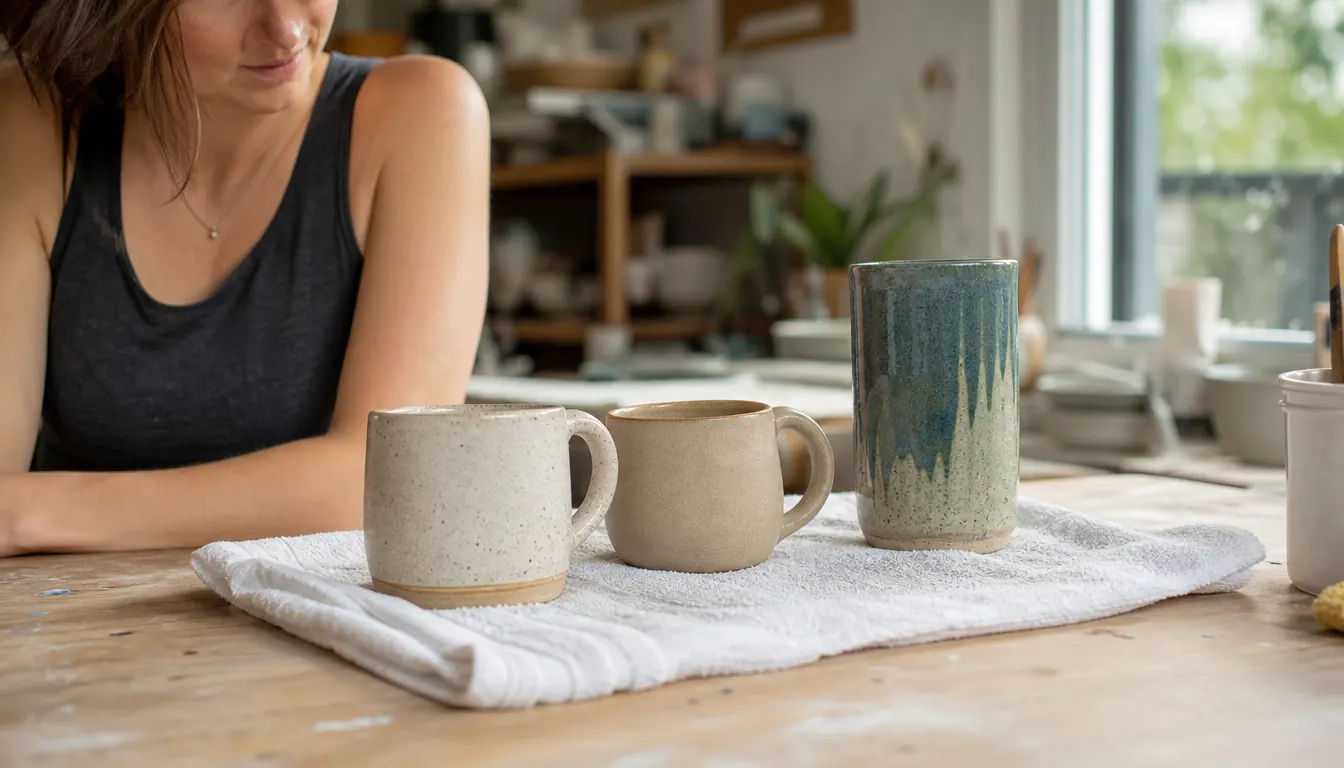
Mugs get hand washed in this house and I tell anyone who takes one home to do the same. The print has not faded on any mug I kept. Tumblers get hand washed too. I ran one through the dishwasher on purpose to see what would happen, and it faded noticeably over a few months, so I stopped recommending that no matter what any listing says. Paper cannot make a tumbler dishwasher safe.
I keep a few of my early pieces in a drawer as a check on myself. There is a mug from that first October pack with a slightly crooked wrap seam, and a tote from the winter with the scorch mark on the back. The mug print itself has not faded in thirteen months of hand washing. The print on the tote is fine too, whatever I did to the canvas. That has been the pattern with everything I made from this paper: the print holds, and the mistakes were mine, made at the press, not in the sheet.
How It Compares to Other Paper I've Seen
I have only bought this one brand, so I will not pretend I have run a side by side test of five papers at my own table. What I can tell you is what I see. Two women in my church craft group use other brands, and when we all pressed tumbler wraps for the fall festival, the difference was mostly in how the sheets fed and how much ink they seemed to drink. Mine came out with the same density as theirs, and I fussed over my sheets less than they fussed over theirs.
Friends who ask me usually want to know whether a cheaper listing is the same thing. My answer is that I stopped shopping around after the clearance pack bled on me, because one wasted blank bothers me more than whatever I saved on a sheet. If you want a proper paper comparison with numbers, mine is one data point from one craft room in Visalia, and that is all it is.
What I Liked
- Feeds flat through the printer, no curling or crooked sheets in thirteen months
- Clean edges and strong color on light polyester, ceramic mugs and coated metal
- 110 sheets at 8.5x11 covers a whole team's shirt fronts plus test pieces
- One pack carried about four months of steady weekend pressing
- Consistent from reorder to reorder, which is more than I can say for clearance paper
Where It Falls Short
- Only works with sublimation ink, so it is useless with a regular printer
- Will not help on 100% cotton or dark blanks, and no paper will
- Getting the coated side backwards wastes a blank, and I did it once
- Has to be stored flat and dry or it curls at the corners
Who This Is For
This is for the hobbyist who already owns a sublimation printer and is tired of guessing. If you press shirts for a kid's team, mugs for a church festival, tumblers for friends and a handful of craft fair items a year, 110 sheets is a sensible size, and the consistency between reorders means you are not re-testing your settings every time a pack runs out. It is also for the person who ruined a few blanks early on and wants a paper that behaves the same way every single weekend.
Who Should Skip It
Skip it if you do not have a sublimation printer, because A-SUB paper only works with sublimation ink and regular ink transfers nothing. Skip it if your projects are mostly 100% cotton or dark shirts, since no sublimation paper solves that. Skip it if you need wide format sheets for all over shirt printing, because this is 8.5x11 and that is a different job with different equipment. And skip it if you are running a production shop, where you would want to test a few brands against each other anyway before you commit to a case.
The Paper Behind Every Shirt on My Grandkids' Team
8.5x11, 110 sheets, coated for sublimation ink. It is the one supply in my craft room I stopped thinking about, which is exactly what I wanted from it.
Amazon Check Today's Price on Amazon →